
SPAIN wins FIFA World Cup 2026, beat Argentina 1-0 with goal in extra time
.gif)

Download Mobile App 







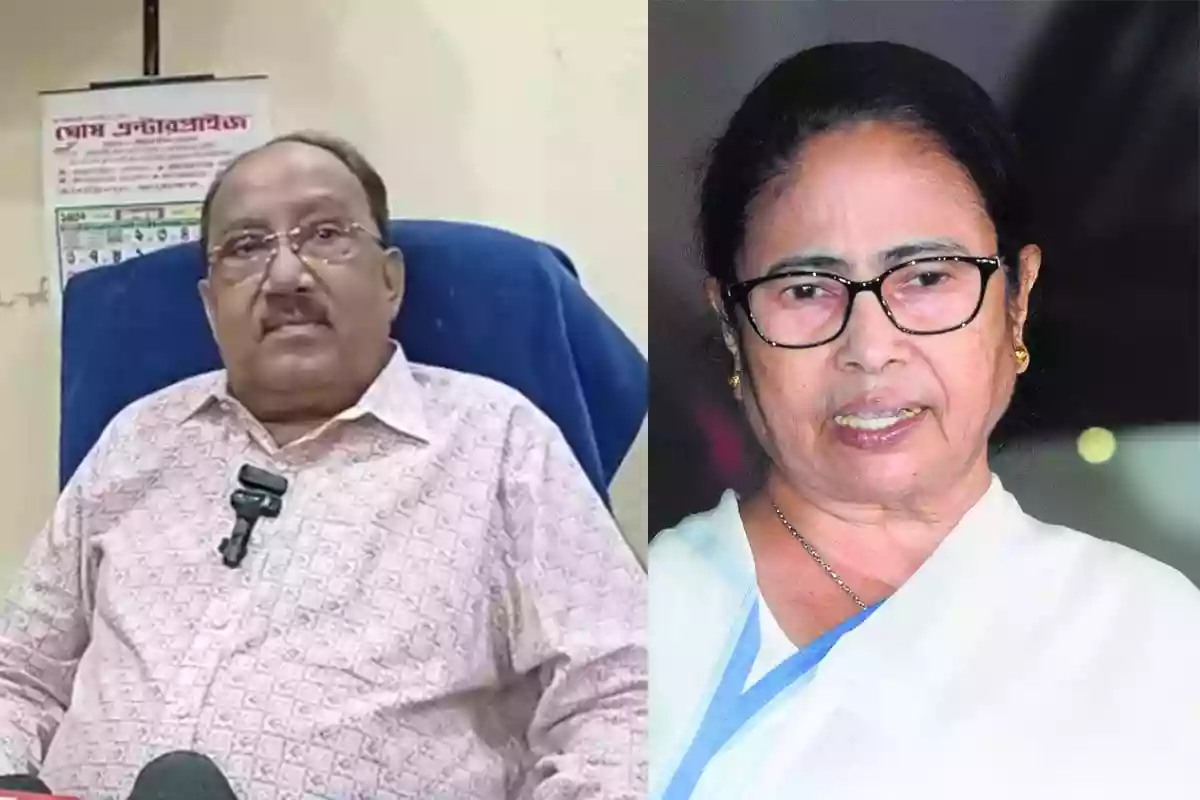
In a fiery address that sent ripples of alarm across India’s political landscape, Trinamool Congress Rajya Sabha MP and All India Matua Mahasangha president Mamata Bala Thakur issued a chilling prophecy: if the Special Intensive Revision (SIR) of electoral rolls is unleashed across the nation, it could spark chaos reminiscent of Nepal’s recent violent unrest, where protests escalated into deadly clashes and torched government buildings. Speaking at a charged rally in Hooghly’s Chunchura Rabindranagar Kalitola, Thakur framed the SIR—a rigorous voter list cleanup—as a veiled weapon to disenfranchise vulnerable communities like the Matuas, millions of Hindu refugees from Bangladesh now facing documentation nightmares. “Implement SIR, and you’ll see India burn like Nepal did—Modi and Shah, hear this: we’ll fight tooth and nail to protect every citizen’s right,” she declared, her voice a clarion call amid a sea of banners decrying electoral exclusion. This stark warning, elevates a regional grievance into a national flashpoint, igniting fears of widespread agitation as the 2026 elections loom.
Thakur’s speech tapped into a deep vein of anxiety among the Matuas, whose ancestors fled persecution only to face a new battle for legitimacy in India’s bureaucratic maze. The SIR, pitched by the Election Commission as a safeguard against fraudulent voters, demands stringent proof of citizenship—birth certificates, pre-1971 residency documents—that many Matuas, displaced by Partition’s chaos, simply don’t possess. To the crowd, Thakur painted a vivid picture of families haunted by the specter of deleted names, stripped of voting rights earned through decades of struggle. “This isn’t revision; it’s erasure,” she charged, accusing the BJP-led center of using SIR to tilt electoral scales by targeting minority-heavy constituencies. Her words, met with roars of approval, transformed the rally into a crucible of resistance, where shared histories of exile fueled a collective resolve to defy what many see as state-sanctioned marginalization. Aiming Union Minister Shantanu Thakur, her BJP-aligned kin and rival, Thakur sharpened her attack, branding him a “traitor to Matua blood” for championing policies she claims betray the community. “Shantanu fronts for RSS-BJP’s plot to chain us through SIR, stripping our votes to weaken Bengal’s voice,” she asserted, reigniting a bitter feud rooted in Thakurnagar’s fractured legacy. This personal-political clash, played out under Hooghly’s humid skies, underscores the high stakes: Matua voters, pivotal in swing seats like Bangaon, could sway West Bengal’s electoral fate, and SIR’s rollout threatens to shrink their influence. As supporters chanted “No SIR, No Silence,” the rally morphed into a broader indictment of Delhi’s top-down governance, with Thakur positioning herself as the community’s unyielding shield against a tide of exclusion.
Beyond Bengal’s borders, Thakur’s Nepal analogy carries weight, conjuring images of Nepal, where Gen-Z protests spiraled, leaving more than 70 dead and a nation fractured. She warned that SIR’s nationwide sweep, if mishandled, could trigger similar fault lines, especially in states with large migrant populations like Assam, Uttar Pradesh, and Bihar, where documentation gaps are rampant. The process, already underway with training in West Bengal, risks alienating millions if timelines remain rushed—months instead of years to verify crores of voters. Thakur echoed Chief Minister Mamata Banerjee’s call for Aadhaar-based flexibility, arguing that without it, SIR could swell the ranks of the stateless, sowing seeds of unrest that could dwarf Nepal’s chaos in scale and impact. Unveiling a bold counter-strategy, Thakur announced a dramatic escalation: on October 19, during the sacred midnight celebrations of Boro Ma’s birth anniversary, she’ll declare a nationwide agitation from Kolkata’s heart. “We’ll rally, we’ll march, we’ll storm Delhi if we must—SIR won’t steal our future,” she vowed, her words sparking fervent applause from a crowd weary of broken citizenship promises.
This isn’t mere posturing; it’s a calculated bid to unite disparate communities—Matuas, tribals, urban poor—into a pan-India front against electoral pruning. By invoking Boro Maa, the Matua matriarch whose legacy binds the community, Thakur transforms a policy fight into a cultural crusade, leveraging faith to galvanize a movement that could reshape the national discourse on voter rights. Thakur’s Nepal warning lingered like a storm on the horizon, a potent reminder of how policy missteps can ignite social tinderboxes. For the Matuas, SIR isn’t just about voter lists—it’s about dignity, belonging, and the right to be counted in a nation they helped build. While the BJP defends SIR as essential for electoral purity, dismissing Thakur’s rhetoric as fear-mongering, the TMC sees it as a cudgel to suppress dissent. Thakur’s defiance, rooted in a people’s pain, signals that the fight for every vote is a fight for the soul of democracy itself.




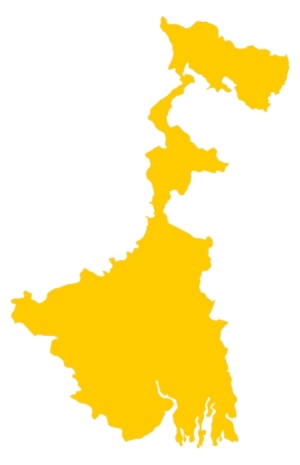 West Bengal
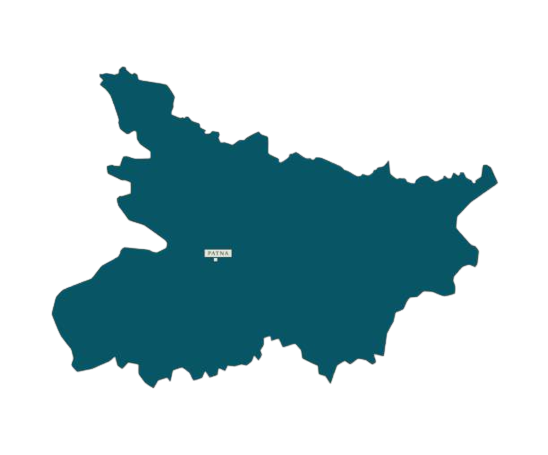 Bihar
Bihar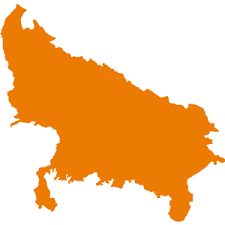 Uttar Pradesh
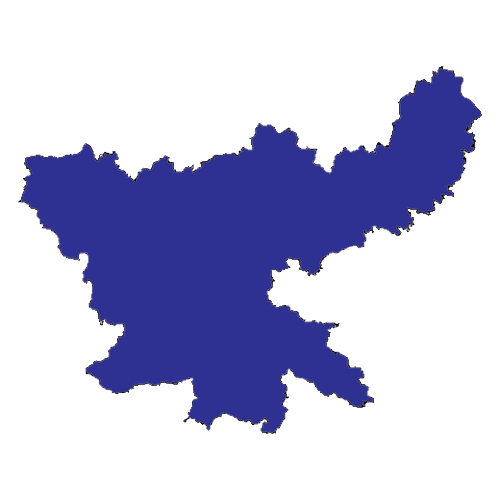 Jharkhand